

No reliable, named source has ever published a specific net worth figure for Norman Alden. He worked steadily in television and film for nearly five decades, but he was a supporting player, not a leading man, and his earnings were never the subject of public financial reporting the way a headline star’s would be. What can be documented is his career: more than 200 television and film credits between 1957 and 2006, built almost entirely on guest roles, voice work, and one very long-running commercial campaign.
Quick Facts
| Category | Details |
| Full name | Norman Adelberg |
| Known professionally as | Norman Alden |
| Born | September 13, 1924, Fort Worth, Texas |
| Died | July 27, 2012, Los Angeles, California (age 87) |
| Profession | Character actor, voice actor |
| Years active | 1957 to 2006 |
| Best known for | The Sword in the Stone, Back to the Future, Mary Hartman Mary Hartman |
| Net worth | No verified figure has been published by a named, checkable source |
Early Life and Background
Alden was born Norman Adelberg on September 13, 1924, in Fort Worth, Texas, to Benjamin and Esther Adelberg. He served in the United States Army in Europe during World War II, then used the GI Bill to enroll at Texas Christian University, where he took part in campus theater productions. Before he moved into television, he worked in local radio in Fort Worth, including a stint as a disc jockey and show host at station KXOL.
That radio and theater background gave him a working actor’s voice years before Hollywood did. It also explains why voice work became such a steady part of his later career, alongside his on-camera roles.
Alden’s first credited acting appearance is often traced back even earlier, to a school production where he played Santa Anna at McLean Junior High School in Fort Worth. By the time he graduated Paschal High School and finished his military service, he already had a sense that performing, whether on a stage, behind a radio microphone, or eventually on camera, suited him better than a conventional career path.
Career and Income Breakdown
Alden’s first television appearance came in 1957 on The 20th Century Fox Hour, and guest spots followed quickly. Through the late 1950s and 1960s he cycled through westerns, sitcoms, and crime dramas: Hennesey, Not for Hire, The Lawless Years, Bronco, Lawman, and The Andy Griffith Show among them. This kind of work was the actual economic base of a character actor’s income during this era: a day rate or weekly rate per guest appearance, repeated across dozens of shows rather than concentrated in one hit series.
Two roles stand out for their reach. He voiced Sir Kay in Disney’s The Sword in the Stone (1963), and two decades later he voiced the villain Kranix in The Transformers: The Movie (1986). Between those two projects, he also voiced Aquaman, Green Arrow, and Plastic Man across the long-running Super Friends animated franchise, work that likely paid modestly per session but added up across years of syndicated reruns.
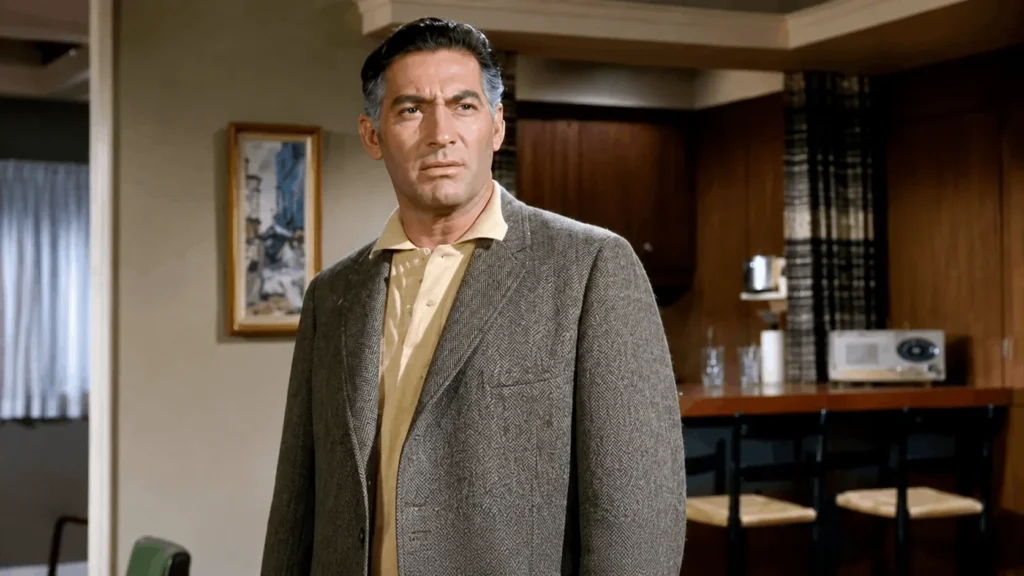
His most financially consistent job may have been the least glamorous one. For seven years, Alden played Lou the Mechanic in a series of national AC Delco commercials, a role convincing enough that people reportedly stopped him to describe their car trouble. National commercial campaigns of that length typically paid residuals on top of the base session fee, which would have made this one of his more dependable income streams during the years it ran.
On television, he had a recurring role as Coach Leroy Fedder on Mary Hartman, Mary Hartman in the 1970s, played Tom Williams on My Three Sons (1970 to 1971), and appeared twice as a Joker henchman on the 1966 Batman series. He also had guest roles on Hawaii Five-O, Barnaby Jones, The Dukes of Hazzard, and Dallas.
His film work leaned on the same steady, supporting-role pattern rather than lead billing, with the exception of the 1965 film Andy, where he played the title role. He appeared in Tora! Tora! Tora! (1970) as Major Truman Landon, in Kansas City Bomber (1972) alongside Raquel Welch, and in I Never Promised You a Rose Garden (1977), a role his own obituaries later singled out as one of his more notable dramatic parts. In 1985 he played diner owner Lou Caruthers in Back to the Future, a small but widely seen role thanks to the film’s lasting popularity. He later appeared as cameraman Bill in Tim Burton’s Ed Wood (1994), and had smaller parts in Patch Adams (1998) and K-PAX (2001), his final film credit before retiring from acting in 2006.
A few more of his credits show how wide his range of parts actually was. He played a police captain in the 1988 television movie Man Against the Mob, a Springville police chief across two seasons of The Dukes of Hazzard, and a senator in a single episode of Dallas. On the animated side, beyond Super Friends and The Sword in the Stone, he voiced the ringmaster character Hank on the animated series Devlin. None of these were the kind of role that generates a large single paycheck, but together they describe a working actor who rarely went long without a job.
How His Career Compares to Peers
Alden’s career pattern is common among character actors of his generation, and it is one reason net worth figures are so hard to pin down for this group. Actors who anchored a single hit series for years, or who became recognizable stars, tend to have salary details preserved in trade press coverage, syndication contracts, or later career retrospectives. Actors like Alden, who moved between dozens of shows and films without ever headlining one, generally do not, because no single outlet had reason to report on his pay at the time.
What set him apart from many peers was the sheer range of formats he worked in. Live-action television, theatrical film, network sitcoms, animated voice work, and a long national commercial campaign all appear in his credits, sometimes within the same few years. That breadth likely produced a more stable, if unspectacular, income than actors who relied on one type of work alone.
Why No Verified Net Worth Figure Exists
Celebrity net worth figures usually come from one of a few sources: reported salary details from a hit show, public real estate records, probate filings after death, or estimates built from a well-documented body of work. None of those apply cleanly to Alden. He was never the highest-paid actor on a series, no probate or estate valuation for him has been made public, and no entertainment trade publication reported his earnings during his lifetime or at the time of his death in 2012.
Rather than attach an invented number to his name, the honest answer is that his net worth was never publicly disclosed and cannot be reconstructed with any real accuracy from available records. What can be said with confidence is that his income came from volume: hundreds of television guest appearances, a run of animated voice roles, and one long national commercial campaign, spread across nearly 50 working years. His decades-long television career fits a wider generation of working performers that included actor-director Corey Allen.
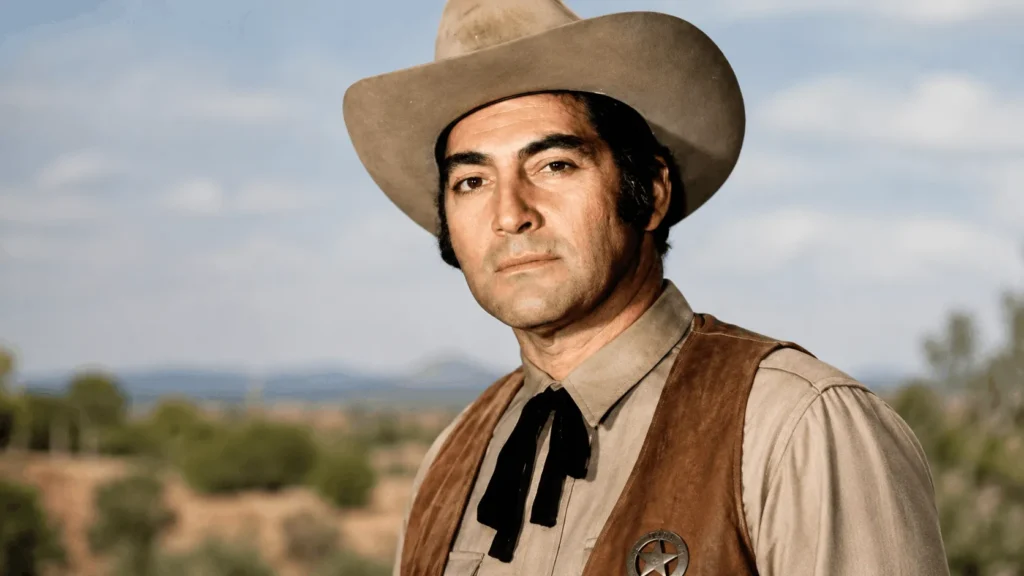
This mix also matters for anyone trying to estimate what he earned. A guest role on a 1960s network drama, a voice session for a Saturday morning cartoon, and a national commercial residual check all came from different pay scales and different union agreements. Adding them into a single lifetime total would require payroll or union records that have never been made public, which is another reason a specific net worth number for Alden does not exist in any credible source.
Income Sources
Based on his documented filmography and career history, Alden’s income came from these areas:
Television guest appearances across westerns, sitcoms, and dramas from the late 1950s through the 1980s.
Voice acting for animated series and films, including Super Friends and The Sword in the Stone.
A recurring television role on Mary Hartman, Mary Hartman and a regular part on My Three Sons.
National commercial work, most notably the AC Delco campaign that ran for seven years.
Supporting film roles from the 1960s through his final credit in 2001, including Back to the Future and Ed Wood.
Alden’s long career is comparable to that of Jack Albertson, another character actor whose face became familiar through decades of film and television work.
Legacy
Alden died of natural causes on July 27, 2012, in Los Angeles at age 87, and is interred at Hollywood Forever Cemetery. He never became a household name, but his voice and face turned up in enough widely watched films and shows, Back to the Future, The Sword in the Stone, Ed Wood, The Transformers: The Movie, that several generations of viewers have seen his work without necessarily knowing his name. That kind of career, long, varied, and rarely front-page, is exactly why his finances were never publicly tallied the way a leading actor’s would be.
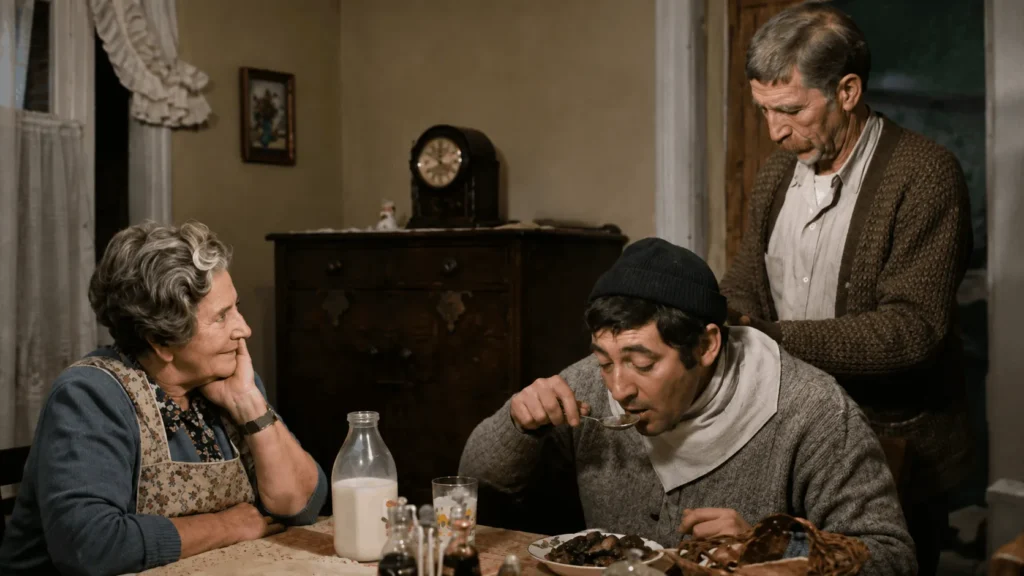
His obituaries in outlets including The Hollywood Reporter and The New York Times focused on the same theme: a working actor whose name was less familiar than his face, remembered for range rather than for any single defining role. That description still fits how his career reads today, credit by credit, spread across five decades of American television and film.