
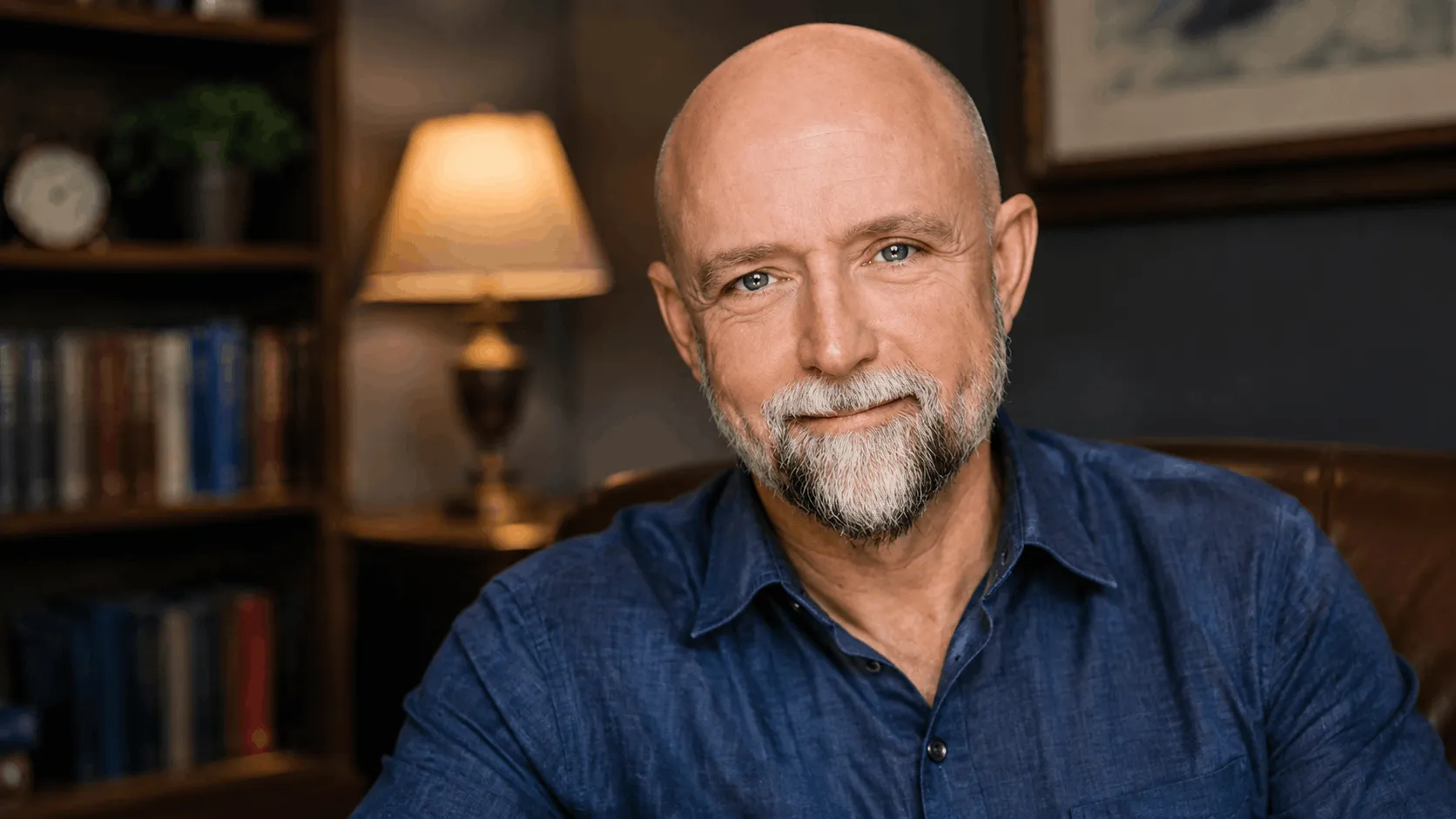
David Alford has spent close to three decades working across regional theatre, film, television, and education, best recognized for playing Bucky Dawes across all six seasons of Nashville. No outlet with a documented, checkable methodology has published a verified net worth figure for him, so any specific dollar amount circulating online should be treated as unconfirmed rather than fact.
Quick Facts
| Category | Details |
| Full Name | Ben David Alford |
| Born | December 20, 1964, Adams, Tennessee |
| Occupation | Actor, playwright, author, acting instructor |
| Best Known For | Bucky Dawes on Nashville (2012 to 2018) |
| Training | The Juilliard School, drama division, 1987 to 1991 |
| Net Worth | No verified figure from a named financial source |
Early Life And Training
Alford was born in Nashville and raised on his family’s farm in Adams, Tennessee, the son of Ben Robert Alford, a farmer and Methodist minister, and Sheridan Durham Alford. He graduated from Jo Byrns High School in a class of 49 students, a rural upbringing he later drew on directly in his own playwriting, including two productions about his hometown that are still staged there annually.
His college path moved through two schools before acting became the plan. He spent two years at Martin Methodist College, his father’s alma mater, then transferred to Austin Peay State University, where he switched from a vocal performance major into the theatre program.
That switch led to the break that shaped his career. Visiting playwright Arthur Kopit spotted Alford’s acting talent during a residency at Austin Peay and helped arrange an audition for The Juilliard School’s drama division. Alford was accepted and trained there from 1987 to 1991, a credential that still anchors his acting bio today and set the trajectory for the theatre-first career that followed.
Career And Income Breakdown
Where most net-worth pages on lesser-known character actors stop at a filmography list, Alford’s actual earning history runs through several distinct income lanes at once, and that mix is the real story here.
Theatre Founder And Artistic Director
After a few years working in New York following Juilliard, Alford moved back to Tennessee and founded Mockingbird Theatre in Nashville in 1994, running it as artistic director until the company closed in 2004. He then became executive artistic director of Tennessee Repertory Theatre from 2004 to 2006, staying on an additional year as the company’s first artist-in-residence. Running a small equity theatre company for a decade is unglamorous, budget-constrained work, and it represents a meaningful stretch of Alford’s income history that most surface-level bios skip entirely. Founders of small nonprofit theatres typically draw modest salaries tied to grant funding and ticket revenue rather than anything close to Hollywood pay, which matters for anyone estimating his overall earnings across this period.
Television: Nashville And Beyond
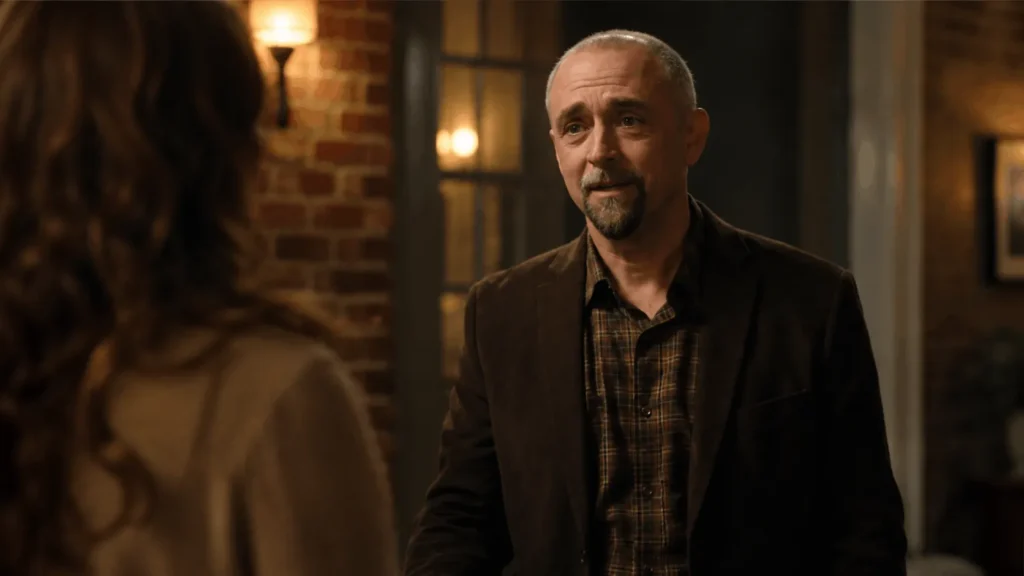
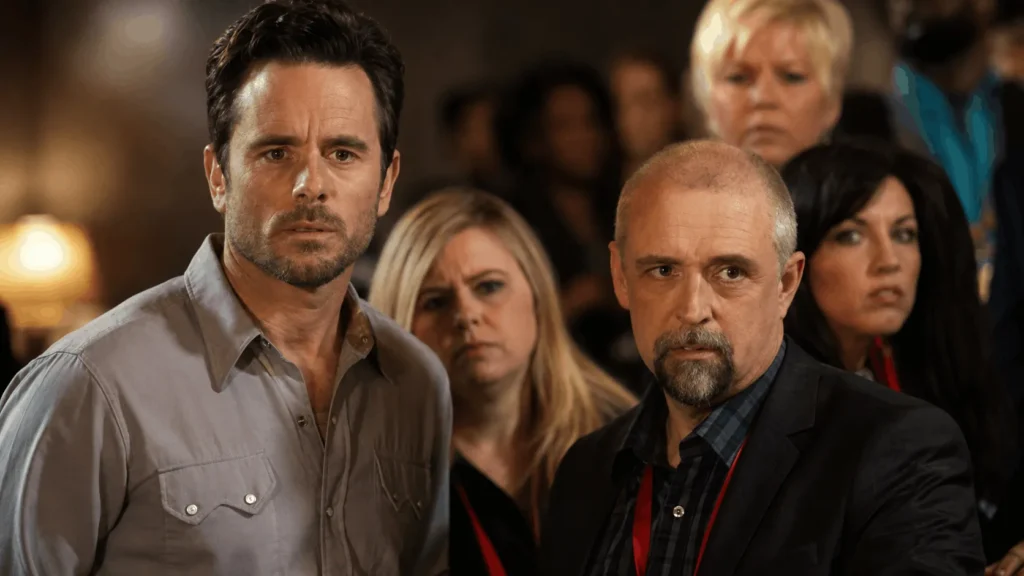
Alford joined Nashville in 2012 as Bucky Dawes, manager to Rayna Jaymes, played by Connie Britton, and stayed with the show for its full six-season run through 2018. A recurring role across six seasons of a network drama is a steady, union-scale income source over that period, even for an actor who was not a headline lead. Beyond Nashville, his television credits include The Blacklist on NBC and The Good Fight on CBS, both recurring or guest appearances rather than series-regular roles. Recurring guest work on established network and streaming dramas typically pays per-episode day rates well above scale minimums, though exact figures for Alford’s specific contracts have never been made public.

Film Credits
His film work includes The Last Castle (2001) alongside Robert Redford, the independent thriller Prisoner (2009) with Julian McMahon, and Stoker (2013), the Park Chan-wook drama starring Mia Wasikowska. He also appeared in the PBS/Masterpiece production A Death in the Family and the independent films Deadbox and Adrenaline. These are supporting and character roles rather than lead billing, which matters for anyone trying to estimate his earning tier realistically, since supporting film roles pay a fraction of what a top-billed cast member earns even on a studio production.
Broadway And Regional Theatre
Alford made his Broadway debut as Mr. Marshall in the Manhattan Theatre Club revival of The Little Foxes, alongside Laura Linney and Cynthia Nixon. Across his career he has appeared in roughly seventy professional theatre productions, including Iago in Othello at Arkansas Shakespeare Theatre and Joe Alsop in the regional premiere of The Columnist at Nashville Rep. His one-man performance of Truman Capote’s A Christmas Memory has run as a Nashville holiday staple since 1995, a recurring, self-produced piece that has likely generated modest but consistent income for three decades running. He is a longstanding member of both SAG-AFTRA and Actors’ Equity, the two unions that set minimum pay scales for his film, television, and stage work.
Writing And Teaching Income
Alford is also a working playwright and author, credits that add a separate income stream beyond acting fees. He wrote the documentary theatre piece Boycott: Pulaski, Tennessee and the Legacy of the Ku Klux Klan, and his play Ghostlight was named Best Original Play by The Nashville Scene in 2004. He co-authored The Morning After Drama School, a guide to the acting business published by Kendall Hunt Publishing, and edited a collection of his father’s writing for Martin Methodist College press.
He currently works as a visiting assistant professor of acting at Baldwin Wallace University, following earlier teaching stints at Berry College and Martin Methodist College, where he built the school’s first dramatic arts program. Academic teaching positions in theatre departments carry a fixed salary, which likely makes this one of the more stable and predictable pieces of his current income, alongside residual payments from Nashville reruns and streaming.
How David Alford Compares To Other Character Actors
Judged purely on visibility, Alford sits in a common but often overlooked tier of working actors: recognizable to fans of one specific show, without the broader name recognition of a series lead. His Nashville co-star Connie Britton, by contrast, had already built film and television credits before and after the show that put her in a different income bracket entirely.
What sets Alford apart from many actors in his tier is the sheer range of parallel income sources. Few working television actors also run a theatre company for a decade, publish plays and a business guide for other actors, and hold a university teaching post at the same time. That diversification likely makes his overall financial picture steadier than a typical character actor who relies on acting bookings alone, even without a single blockbuster payday driving the total.
Income Sources Summary
Taken together, Alford’s income has come from several places rather than one dominant paycheck: union-scale television and film work, Broadway and regional theatre pay, playwriting royalties and book co-authorship, and a university teaching salary. That kind of layered career is typical of working character actors who trained at conservatory-level programs but never landed a headlining film franchise, and it is a more accurate picture than reducing his finances to a single guessed number.
Why No Verified Net Worth Figure Exists
Celebrity net worth figures generally trace back to public financial disclosures, real estate records, or reporting from named financial outlets, none of which are available for an actor at Alford’s level of public profile. The pages that do list a specific number for him are unsourced aggregator sites with no named author or methodology, which is why this article does not repeat one. If a verified figure is published by a credible outlet, this page will be updated to reflect it.